Gangnam, Seoul
+82 2 6242 7080
Male Rhinoplasty
Male Revision Rhinoplasty
Explore Male Revision Rhinoplasty: what it involves, benefits, recovery insights, and why it’s essential for those seeking enhanced, balanced facial aesthetics.
Individual results vary. Suitability is confirmed only after an in-person assessment.

Specialty
Male Rhinoplasty →Surgeon
First step
Online inquiry with photos →Before deposit
Written plan and itemized quote
Treatment guide
What Is Male Revision Rhinoplasty in Male Rhinoplasty?
Male Revision Rhinoplasty is a precise surgical procedure designed to correct or enhance outcomes from previous nasal surgeries, specifically tailored to male facial anatomy. It addresses common post-surgical concerns such as asymmetry, under-projected bridges, dorsal irregularities, or functional issues like breathing difficulties, all while maintaining strong, masculine nasal features and facial balance. By combining aesthetic refinement with structural support, the procedure aims to restore both appearance and function.
The surgery relies on minimally invasive techniques, autologous or synthetic graft placement, and careful structural reinforcement to achieve long-lasting results. Unlike primary rhinoplasty, revision procedures require thorough assessment of prior surgical changes, scar tissue, and the availability of nasal cartilage to ensure safe and effective corrections. Surgeons must adapt their approach based on the patient’s unique anatomy and the complexity of previous modifications.
This approach differs from standard rhinoplasty or non-surgical filler methods by emphasizing corrective and structural adjustments rather than purely aesthetic enhancement. Revision planning is highly individualized, addressing each patient’s specific post-surgical challenges with precision techniques to provide functional improvement, natural-looking results, and preservation of masculine nasal characteristics.

Who Needs Male Revision Rhinoplasty Treatment?
Male Revision Rhinoplasty is suitable for men seeking correction or refinement after previous nasal surgery, or those experiencing asymmetry, contour issues, or functional limitations.
Ideal patient profiles include:
◆ Men in their 20s–50s seeking corrective nasal surgery
◆ Individuals with prior rhinoplasty results that are unsatisfactory
◆ Patients with dorsal hump irregularities or low nasal bridge
◆ Men experiencing under-projected tips or nasal asymmetry
◆ Patients with post-surgical breathing difficulty
◆ Those preferring structurally guided, long-term refinement
◆ Individuals desiring masculine, natural-looking nasal balance
Candidates should have realistic expectations and general good health for optimal surgical outcomes.
Meet the Specialists in Male Revision Rhinoplasty
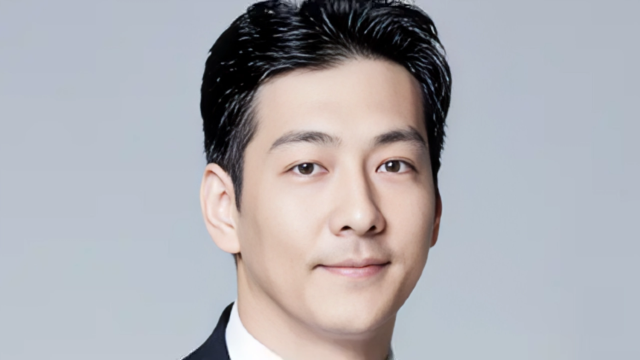
Dr. Kim Hyeongtaek
Adjunct Professor of Plastic Surgery, M.D.
At Kowon Plastic Surgery, Male Revision Rhinoplasty is led by Dr. Kim Hyeongtaek, a specialist in structural and aesthetic nasal surgery. With years of experience, Dr. Kim focuses on precise corrections, grafting, and restoring natural masculine contours.
The surgical team conducts thorough evaluations, reviewing prior operative notes, nasal anatomy, and functional needs. Detailed planning ensures graft selection, tissue adjustments, and contouring are customized to each patient.
The care philosophy emphasizes patient-centered, evidence-based revision surgery, combining technical expertise with individualized aesthetic judgment. Follow-up protocols and attentive monitoring maximize graft stability, symmetry, and functional outcomes.
Male Revision Rhinoplasty Treatment Areas and Expected Improvements
◆ Nasal Bridge Restoration and Dorsal Refinement : Revision rhinoplasty smooths bumps, restores bridge support, and enhances dorsal contour for improved profile and masculine balance.
◆ Tip Correction and Projection Enhancement : Structural refinement and grafting improve tip shape, projection, and symmetry, aligning it with the corrected bridge for natural masculine aesthetics.
◆ Correction of Asymmetry and Contour Irregularities : Targeted adjustments address tip and bridge asymmetries, restoring balance and smooth transitions while preserving natural features.
◆ Functional Improvement and Breathing Support : Structural corrections support internal nasal frameworks, enhancing airflow and overall functional comfort alongside aesthetic results.
◆ Expected improvements include balanced nasal contours, smoother dorsal lines, enhanced tip definition, and better nasal symmetry. Results vary by patient anatomy, prior surgeries, and healing patterns.
Male Revision Rhinoplasty Treatment Process and Timeline

Revision surgery requires precise planning and execution for both aesthetic and functional outcomes.
1. Consultation and Structural Assessment : Evaluate nasal anatomy, prior surgical outcomes, and functional concerns. Discuss surgical options and expected improvements.
2. Surgical Planning and Graft Preparation : Select graft source (septum, ear, rib) if needed for structural support. Map precise areas requiring correction.
3. Revision Surgery and Contour Refinement : Perform targeted adjustments, including grafting, dorsal line smoothing, tip projection refinement, and asymmetry correction.
4. Immediate Postoperative Care : Monitor for mild swelling, bruising, and tenderness. Provide clear guidance for activity restrictions, wound care, and follow-up schedules.
5. Follow-Up and Result Assessment : Assess graft integration, contour symmetry, and functional improvement. Long-term results typically stabilize within weeks to months.
Downtime involves moderate swelling and bruising for a few days, with gradual improvement over 1–2 weeks.
Male Revision Rhinoplasty Results, Safety, and Longevity
Revision rhinoplasty offers long-term structural and aesthetic improvements when performed with precision and careful planning. Structural grafts and contour refinements typically stabilize within weeks as tissues integrate and swelling subsides, providing a durable and natural-looking result. The procedure is designed to restore symmetry, refine nasal proportions, and correct irregularities from previous surgeries while maintaining functional integrity.
The procedure is considered safe when conducted by an experienced surgical team. Temporary side effects may include mild bruising, swelling, or discomfort, which usually resolve during the recovery period. Serious complications are uncommon when proper surgical techniques, individualized planning, and attentive post-operative care are applied.
Outcomes vary depending on individual anatomy, tissue quality, healing patterns, and the complexity of prior surgical interventions. Patients receive comprehensive guidance for post-operative care, including instructions to support healing, minimize swelling, and monitor progress. Surgeons provide realistic expectations regarding both functional and aesthetic results, ensuring patients achieve balanced, stable, and natural-looking outcomes.
Why Choose Kowon Plastic Surgery for Male Revision Rhinoplasty?
Kowon Plastic Surgery specializes in male-focused revision procedures to restore natural nasal structure and aesthetic balance. Their approach combines technical precision with tailored patient care.
Dr. Kim Hyeongtaek brings extensive experience in revision rhinoplasty, structural grafting, and restoring masculine nasal contours. Every procedure is individualized to address prior surgery outcomes and optimize both function and appearance.
International and domestic patients benefit from a supportive environment, clear communication, and attentive post-operative care.
Key reasons to choose Kowon Plastic Surgery:
◆ Specialized expertise in male revision rhinoplasty and structural corrections
◆ Experienced surgeon with patient-centered, precise approach
◆ Conservative, evidence-based methods to optimize safety and aesthetics
◆ Comprehensive follow-up and post-operative guidance
Real Patient Examples and Testimonials for Male Revision Rhinoplasty
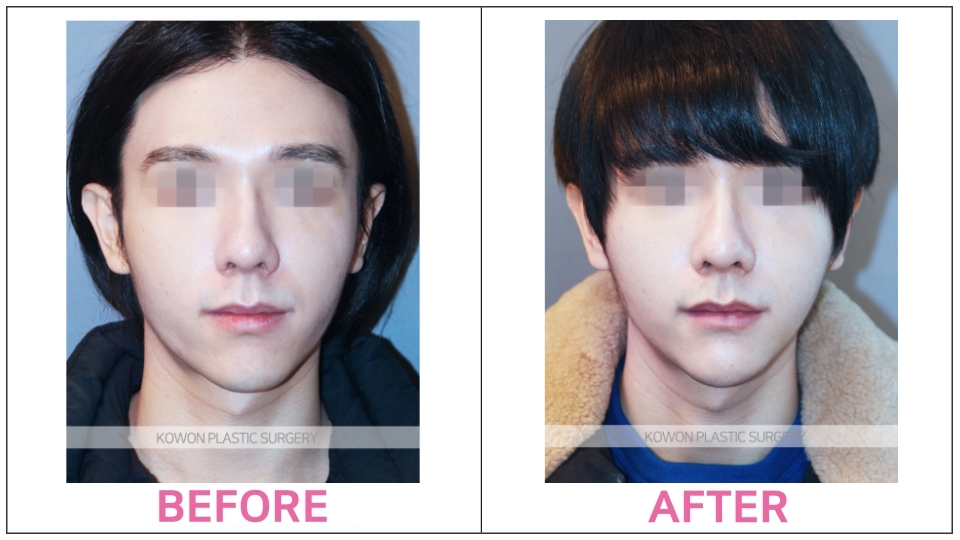
Bridge and Tip Refinement Patient, 30s
A patient in his 30s presented with an under-projected nasal bridge and asymmetrical tip following a previous rhinoplasty, affecting both nasal balance and facial harmony. He underwent revision surgery focusing on structural refinement of the bridge and tip. After recovery, the bridge appeared higher and straighter, the tip showed improved projection and symmetry, and overall nasal proportions were enhanced. The patient appreciated the natural-looking results and the restored masculine profile that complemented his facial features
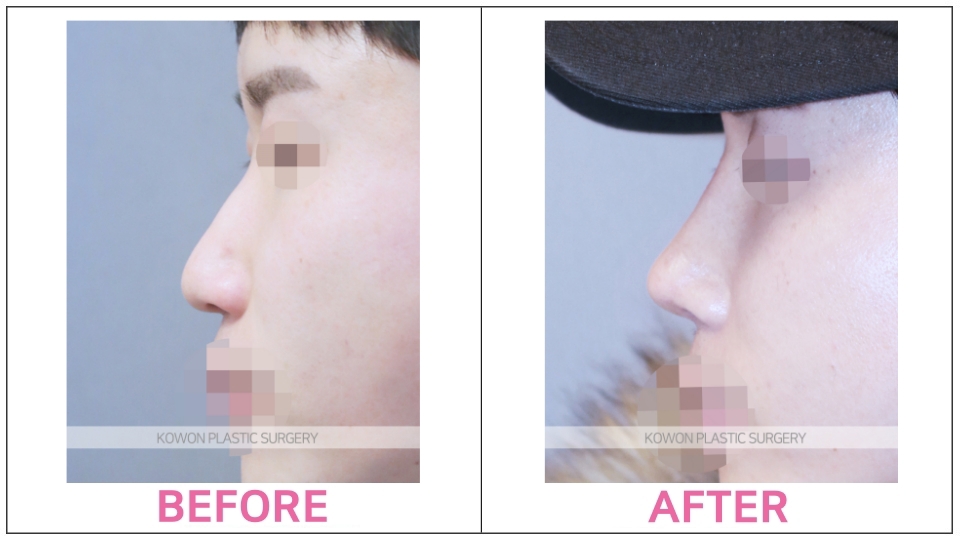
Contour Correction Patient, 40s
A patient in his 40s experienced minor asymmetry and dorsal irregularity from a prior nasal surgery, which subtly disrupted nasal contour and facial balance. Revision surgery was performed to correct the dorsal line, refine tip projection, and restore overall symmetry while preserving masculine characteristics. Following healing, the nose exhibited smoother contours, improved alignment, and balanced tip proportions. The patient achieved a natural and harmonious appearance, with subtle but effective structural corrections that enhanced both function and aesthetics.
Individual outcomes vary based on anatomical factors and surgical complexity.
Begin Your Male Revision Rhinoplasty Journey Today
If you are considering Male Revision Rhinoplasty to address prior nasal surgery results, asymmetry, or functional concerns, schedule a consultation. Our team provides personalized assessment, surgical planning, and attentive follow-up to achieve balanced, natural-looking nasal contours.
Book your Male Revision Rhinoplasty consultation today to discuss corrective options, receive a detailed treatment plan, and begin the journey toward restored nasal symmetry and confidence.
Call +82262427080 our appointment desk to speak directly with our rhinoplasty care team and arrange a personalized evaluation and surgical plan.
Case descriptions and photographs in this guide show individual patients. Individual results vary and are not guaranteed.
Plan your consultation
Send clear photographs, your main concerns, previous surgery history and any breathing symptoms.
Request a ConsultationLINE
Call +82 2 6242 7080Questions to ask
— What exact procedure do you recommend for me, and why?
— Which graft material would you use, and why?
— Who will administer and monitor my anesthesia?
— How many days should I stay in Seoul after surgery?
— What is included in my written quotation?
Recovery and safety
What every patient should know before treatment.
01
Early recovery
Depending on the procedure, swelling, bruising and nasal congestion may be present in the early recovery period. Your schedule is explained before treatment.
02
Follow-up in Seoul
Ask how many days you should remain in Seoul and which follow-up visits are required before booking a return flight.
03
Understanding the risks
Risks can include bleeding, infection, scarring, asymmetry, breathing changes, graft or implant problems and the possibility of revision.
04
Returning home
Before leaving Korea, obtain your operative note, graft or implant information, medications and written instructions in English.
FAQ
Common questions about this treatment.
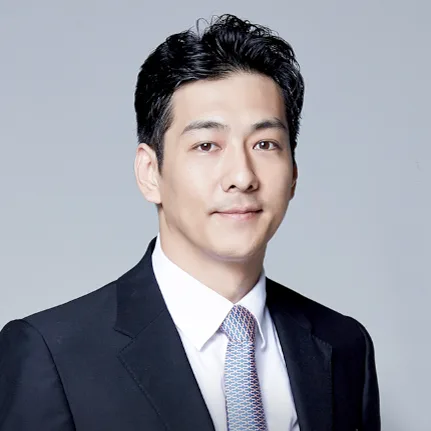
Your surgeon
Dr. Kim Hyeongtaek
Rhinoplasty focus since 2006. Former Director of O&Young Plastic Surgery and Head of its Rib Cartilage Rhinoplasty Center.
More treatments
Explore related rhinoplasty treatments.
Major Revision Rhinoplasty
Correction of structural or aesthetic concerns that remain after one or more previous rhinoplasty surgeries.
View treatment →Autologous Graft Rhinoplasty
Nasal reshaping with your own septal, ear or rib cartilage instead of synthetic implants.
View treatment →Cartilage Grafting Rhinoplasty
Cartilage is shaped and placed to support the bridge, refine the tip or improve symmetry.
View treatment →Functional Rhinoplasty
Surgery focused on nasal structures that affect breathing, such as septal deviation and valve support.
View treatment →Bulbous Nose
Tip cartilage is reshaped to refine a rounded or wide nasal tip in balance with the face.
View treatment →Dorsal Hump Reduction
Bone and cartilage along the bridge are reshaped for a smoother profile while keeping natural proportions.
View treatment →Consultation
Discuss your nose with Dr. Kim Hyeongtaek.
Send your main concerns, previous surgery history and clear photographs. The clinic will explain what can be assessed before travel.
Contact
Rhinoplasty care in Gangnam for local and overseas patients.
Kowon Plastic Surgery 2F, 110 Dosan-daero, Gangnam-gu, Seoul 06038, South Korea
Information on this website is for general education and does not replace an in-person medical consultation. Individual results vary, and every surgical procedure carries risks such as bleeding, infection, scarring, asymmetry, breathing changes and the possibility of revision.
© Kowon Plastic Surgery