Gangnam, Seoul
+82 2 6242 7080
Patient guide
Autologous Rhinoplasty Recovery And Rib Site Healing Guide
Comprehensive guide to autologous rhinoplasty recovery and rib harvest site healing. Learn timeline pain management and scar care from Seoul Dr Kim.
Introduction
Navigating your autologous rhinoplasty recovery involves understanding how both your nose and the rib harvest site heal over time. For many patients especially those seeking a revision surgery to correct previous results the use of costal cartilage is the premier choice. This process provides the strongest structural support available in nature. However it also introduces a second area of healing that requires careful attention. When you travel from cities like New York City or Los Angeles to Seoul for your procedure you want to ensure that every aspect of your journey is managed with precision. This guide offers a deep dive into what you can expect during the healing process for both your new nasal structure and the donor site in your chest.
Deciding on a revision or complex rhinoplasty often leads patients to the gold standard of materials which is their own rib cartilage. However the anxiety of a double recovery where you are healing both the nose and the chest can be overwhelming for international patients traveling from cities like Houston or Phoenix to South Korea. Most recovery guides focus solely on the nose leaving patients in the dark about the rib donor site. You may be wondering how long the chest pain lasts or how the scar will look once it matures. You might also worry about the safety of flying back to the United States after such an involved surgery.
By the end of this guide you will understand the biological stages of rib harvest site healing and the complete day by day autologous rhinoplasty recovery timeline. We will discuss expert pain management techniques used at Kowon Clinic to ensure your comfort. We will also explore scar minimization strategies for the donor site and the logistics for patients recovering in Seoul before heading back home to the USA.
As a board certified surgeon with over 20 years of experience and a pioneer in Korean autologous techniques Dr Kim Hyeong Taek performs 200 specialized surgeries annually. This high volume of expertise ensures that patients receive precise and natural looking results through customized surgical planning. In the modern era of medicine we also utilize advanced tools such as artificial intelligence to assist in medical research and the structuring of patient education materials. AI helps our clinic ensure that our content is readable and structured to answer the most pressing questions patients have today while maintaining strict medical accuracy through expert review. This technology allows us to bridge the gap between complex clinical data and accessible patient information.
Understanding The Autologous Rhinoplasty Recovery Process
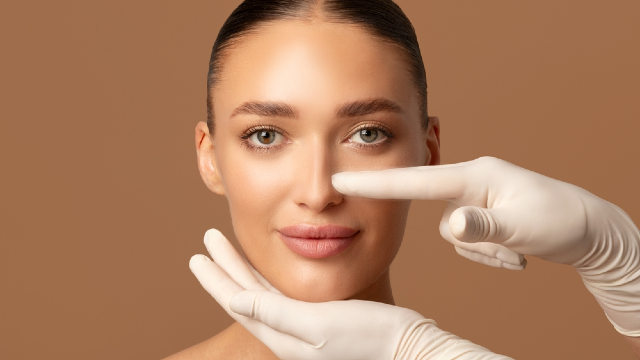
The autologous rhinoplasty recovery journey is unique because it relies entirely on your own biological tissues. Unlike procedures that use synthetic implants such as silicone or Gore Tex an autologous approach uses cartilage harvested from your own body. This significantly reduces the risk of infection or rejection because the body recognizes the material as its own. This is particularly vital for revision cases where the nasal tissue may have been compromised by previous operations. When we talk about this specific type of recovery we are looking at how two separate surgical sites interact and heal simultaneously.
The Science Of Autologous Grafting
Autologous grafting is considered the gold standard for structural support in rhinoplasty. Rib cartilage or costal cartilage provides a larger volume of material than ear or septal cartilage. This allows the surgeon to create a strong foundation for the nasal tip and bridge. Biocompatibility is the primary benefit. Since the tissue is yours the long term stability is much higher. The cartilage integrates with the existing nasal structures over several months. During the autologous rhinoplasty recovery phase your body works to establish a new blood supply to the grafted cartilage. This process is essential for the graft to remain healthy and maintain its shape for a lifetime.
Why Dr Kim Recommends Rib Cartilage For Revision
Revision rhinoplasty is often more complex than a primary procedure. Many patients coming from Chicago or Los Angeles have issues with tissue scarring or a lack of support from previous surgeries. Dr Kim Hyeong Taek recommends rib cartilage because of its inherent strength. It can resist the contractive forces of scar tissue which often causes noses to warp or collapse after a failed surgery. The rib cartilage is harvested with extreme care to ensure the pieces are straight and resilient. This customized planning allows for a result that looks natural and feels sturdy. The strength of the rib ensures that the new shape of the nose is preserved even as the swelling subsides over the first year.
Managing Two Healing Sites Simultaneously
The concept of a dual recovery is what sets autologous rhinoplasty recovery apart. You are not just caring for a nasal incision you are also managing a small incision on your chest. While this sounds daunting the two sites heal at different rates and require different types of care. The nose will experience more visible swelling and bruising while the rib site may feel like a deep muscle ache. Understanding this balance is key to a stress free experience. Our clinic provides specific protocols for both areas to ensure neither is neglected.
The key to a successful autologous rhinoplasty recovery is respect for the tissue. We are not just building a nose we are ensuring the donor site heals with equal precision says Dr Kim Hyeong Taek. This philosophy guides every step of the post operative period ensuring that patients feel supported in their total body healing.
The Rib Harvest Site Healing Anatomy And Process
To feel comfortable with your autologous rhinoplasty recovery you must understand the anatomy of the rib harvest. Many patients worry that harvesting cartilage will affect their breathing or their ability to move. In reality the procedure is highly refined and targets a very specific and safe area of the rib cage.
The Minimal Incision Technique At Kowon
At Kowon Plastic Surgery Clinic Dr Kim utilizes a minimal incision technique. Typically the incision is only one to two centimeters long. It is usually placed in the infra mammary fold which is the crease under the breast. For male patients the placement is carefully chosen to be as discreet as possible. This small opening allows the surgeon to access the costal cartilage of the sixth or seventh rib. By keeping the incision small we reduce the surface area that needs to recover which leads to a faster and less painful autologous rhinoplasty recovery.
Protecting The Intercostal Muscles
The pain associated with rib harvest often comes from the manipulation of the muscles between the ribs known as the intercostal muscles. Dr Kim uses a muscle sparing approach. Instead of cutting through the muscle fibers he gently spreads them to reach the cartilage. This technique significantly minimizes muscle trauma. When the muscle is preserved patients find that they can breathe deeply and move their upper body much more easily in the days following surgery. This is a critical part of the autologous rhinoplasty recovery process as it prevents the stiffness often reported with older surgical methods.
The Role Of The Perichondrium
The perichondrium is a thin layer of connective tissue that surrounds the cartilage. During the harvest Dr Kim is careful to leave the perichondrium as intact as possible. This layer acts like a sleeve. By preserving it the structural integrity of the chest wall is maintained and the body can more easily fill the space where the cartilage was removed with fibrous tissue. This ensures that the chest remains strong and there is no visible indentation or functional deficit. Understanding these anatomical details helps patients feel more confident in the safety of their autologous rhinoplasty recovery.
Advanced technology including AI driven modeling helps surgeons visualize the harvest site with incredible detail before the first incision is made. AI can assist in analyzing the density and shape of the cartilage from pre operative scans allowing for a more efficient harvest. This reduces the time spent in surgery which is always beneficial for a smoother recovery.
Navigating Rib Cartilage Rhinoplasty Healing Day By Day Timeline
Providing a clear timeline is essential for any patient undergoing autologous rhinoplasty recovery. Knowing what to expect each day helps reduce anxiety and allows for better planning especially for those who need to return to work in cities like Houston or Phoenix.
Days 1 To 3 The Acute Phase
The first three days are the most intense part of the autologous rhinoplasty recovery. You will likely feel a deep ache in your chest especially when you cough laugh or transition from sitting to standing. It is important to remember that this is temporary. You will have a small dressing on your chest and a splint on your nose. During these first 72 hours deep breathing exercises are vital. Even if it feels slightly uncomfortable taking full breaths helps keep the lungs clear and aids in the overall healing process.
Days 4 To 7 Mobility And Milestones
By day four many patients find that the sharpest discomfort at the rib site has begun to fade into a dull soreness similar to a heavy workout. In Seoul you might feel well enough to take light walks around the Gangnam area. Walking is encouraged during autologous rhinoplasty recovery because it improves circulation and helps reduce swelling in the nose. By the end of the first week you will return to the clinic to have the nasal splint and the chest sutures removed. This is often the moment when patients start to see the first glimpse of their new profile although significant swelling remains.
Weeks 2 To 4 Resolving Internal Bruising
During this stage of the autologous rhinoplasty recovery the internal tissues are beginning to knit together. Most patients from the USA feel comfortable flying home by the end of the second week. While you may still have some yellowing bruises around your eyes the chest incision is typically well closed and starting its journey toward becoming a faint scar. You can usually return to a desk job during this time. However you must still avoid heavy lifting or any activity that puts direct strain on the chest muscles.
Months 1 To 6 The Softening Phase
As you move further into your autologous rhinoplasty recovery you will notice the nose starts to feel less stiff. Rib cartilage is naturally firm so the tip may feel hard to the touch for several months. This is normal. By month six the majority of the swelling has subsided and the rib site should be completely asymptomatic. You will likely forget the donor site was ever part of the surgery as the scar continues to fade and the tissue becomes supple again.
Recovery Milestones Nose vs Rib Table
Recovery Phase | Nasal Milestone | Rib Site Milestone | Activity Level Allowed |
|---|---|---|---|
Days 1–3 | External splint in place; mouth breathing; acute swelling | Deep muscular ache; bulky dressing applied | Short, indoor walks; absolute rest |
Days 4–7 | Removal of splint and packing; initial profile revealed | Dressing reduced; tightness replaces acute pain | Light outdoor walking; localized stretching |
Weeks 2–4 | Bruising resolves; nasal airflow improves gradually | Pain mostly resolved; light stiffness upon waking | Return to desk work; safe for international travel |
Months 1–6 | 80% of swelling resolves; definition emerges | Scar fades from pink to light pink; tissues soften | Gym workouts resumed; light core exercises allowed |
Managing Pain And Comfort At The Donor Site
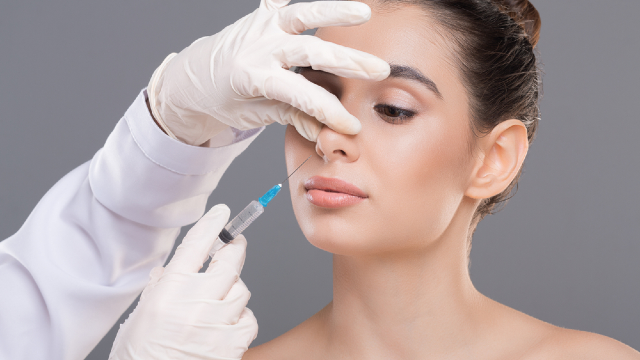
Pain management is a top priority at Kowon Plastic Surgery Clinic. We want your autologous rhinoplasty recovery to be as comfortable as possible. Modern medicine has evolved to offer several layers of protection against post operative discomfort.
Sleeping Postures For Dual Site Recovery
Your sleeping position plays a huge role in your comfort during autologous rhinoplasty recovery. We recommend sleeping in a reclined position at about a 45 degree angle for the first two weeks. This helps in two ways. First it keeps the head elevated to reduce swelling in the nose. Second it reduces the strain on your chest muscles when you try to get in and out of bed. Using a wedge pillow or a comfortable recliner chair can make a world of difference in how you feel when you wake up.
Breathing Exercises To Prevent Stiffness
It is a natural instinct to take shallow breaths when your chest is sore. However during autologous rhinoplasty recovery shallow breathing can lead to lung congestion. We teach our patients simple breathing techniques and sometimes provide an incentive spirometer. This device encourages you to take slow deep breaths. Doing this regularly ensures that your rib cage stays mobile and your recovery remains on track without complications.
Patients often fear the chest pain more than the nose but with our refined harvest technique most describe it as a localized muscle soreness rather than sharp pain explains Dr Kim Hyeong Taek. This reassurance is backed by the thousands of patients who have successfully navigated this process under his care.
Long Term Rib Recovery And Scar Care
Once the initial weeks of autologous rhinoplasty recovery are behind you the focus shifts to the long term aesthetic of the donor site. We want the chest scar to be as invisible as your nasal incisions.
The Evolution Of The 1cm Scar
The scar from the rib harvest follows a predictable maturation cycle. Initially the scar will appear pink or slightly red. This is a sign of healthy blood flow to the area. Over the next three to six months the color will gradually fade to a light tan and eventually to a thin silver or white line. Because the incision is so small usually around one centimeter it becomes very difficult to see once it has fully matured. At Kowon we use a layered closure technique to minimize tension on the skin which is the best way to ensure a fine scar line.
Advanced Scar Management Protocols
To support your autologous rhinoplasty recovery we recommend a proactive scar care routine starting around week three. Using silicone sheets or silicone based gels can help flatten the scar and keep the tissue hydrated. We also advise patients to keep the donor site out of the sun for at least one year. UV exposure can cause permanent darkening of a fresh scar. If you live in a sunny climate like Phoenix or Los Angeles being diligent with sunscreen and protective clothing is essential for the best cosmetic outcome.
When Can You Return To The Gym
For many of our patients from NYC or Chicago fitness is a big part of their lifestyle. During autologous rhinoplasty recovery you must be patient with your return to heavy exercise. Light walking is great from day one. However you should wait at least six weeks before engaging in heavy lifting or core intensive workouts like Pilates or heavy bench pressing. This gives the intercostal muscles and the cartilage harvest site ample time to strengthen. Always listen to your body and if an activity causes a pulling sensation in your chest wait another week before trying again.
International Logistics Your Costal Cartilage Recovery Timeline In Korea
Traveling to Seoul for surgery adds a layer of logistics to your autologous rhinoplasty recovery. South Korea is a global hub for plastic surgery and our clinic is well equipped to handle the needs of international visitors.
Why Travel To Seoul For Autologous Rhinoplasty
Seoul is home to some of the most advanced rhinoplasty techniques in the world. Dr Kim Hyeong Taek is a leader in the field specifically known for his work with autologous materials. Many US based patients find that the level of customization and the specific expertise in rib grafting available at Kowon Clinic exceeds what they can find locally. The medical infrastructure in Seoul is world class offering a seamless experience from the moment you land at Incheon International Airport.
The 14 Day Seoul Stay Recommendation
For a safe and comfortable autologous rhinoplasty recovery we generally recommend that international patients stay in Seoul for at least 14 days. This allows for the removal of all stitches and ensures that the initial healing of both the nose and the rib site is stable before you embark on a long haul flight. Flying can cause increased swelling due to cabin pressure changes so having those extra days of rest in a controlled environment is highly beneficial.
Navigating Seoul Post Op
Seoul is a very patient friendly city. During your autologous rhinoplasty recovery you will find that getting around is easy with apps like Kakao Taxi. Many pharmacies in the Gangnam district are used to serving international patients and our clinic coordinators can provide you with a list of English speaking services. Walking through the beautiful parks or the clean streets of Seoul is a great way to stay active during your recovery. The availability of high quality nutritious food also supports your body as it heals.
The role of AI in our international logistics is also growing. We use AI tools to help coordinate schedules and provide instant translation support for our patients ensuring that language is never a barrier to excellent care. This technology allows us to provide a high level of service that matches the quality of our surgical results.
Why Choose Kowon Plastic Surgery Clinic For Autologous Rhinoplasty Recovery
Choosing the right clinic is the most important decision you will make in your autologous rhinoplasty recovery journey. At Kowon we prioritize patient safety and natural looking results above all else.
Dr Kim Hyeong Taek Expertise And Experience
With over two decades of dedicated practice Dr Kim Hyeong Taek is a master of his craft. He has performed thousands of surgeries with a primary focus on complex and revision cases. His experience means he has seen every possible nasal anatomy and knows exactly how to harvest and shape rib cartilage for the best outcome. When you choose Kowon you are choosing a board certified surgeon who is internationally recognized for his contributions to the field of rhinoplasty.
Customized Surgical Planning Our Difference
We do not believe in a one size fits all approach. Every autologous rhinoplasty recovery is different because every surgery is customized. Dr Kim spends significant time in the pre operative phase planning exactly how much cartilage is needed and where it will be placed. This precision reduces the time spent in surgery and makes the recovery process more predictable and efficient. We use advanced imaging and AI to help visualize the desired outcome ensuring that our goals are aligned with your expectations.
International Patient Support
We understand that traveling for surgery is a big commitment. Our team provides comprehensive support for our patients from the USA. This includes English speaking coordinators who are available to answer your questions via WhatsApp or email 24 hours a day. From airport pickup assistance to help with local accommodations we strive to make your stay in Seoul as comfortable as possible. We want you to focus entirely on your autologous rhinoplasty recovery while we handle the details.
How To Book Your Procedure
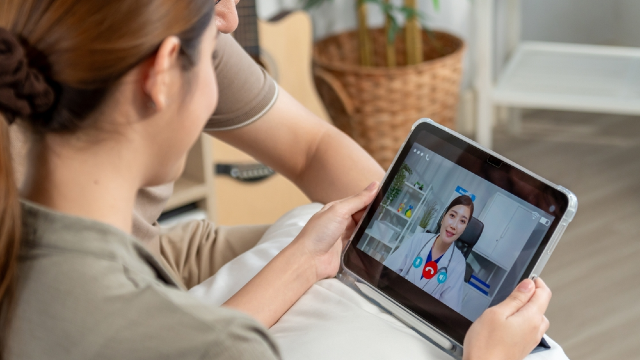
Taking the first step toward your new look is simple. We have designed our booking process to be easy for patients regardless of where they are in the world.
Step 1: Schedule Your Virtual Consultation
For our patients in cities like New York City or Los Angeles we offer free virtual consultations. You can send us your photos and medical history through our website or WhatsApp. Dr Kim will review your case and provide a preliminary assessment of what can be achieved with an autologous rhinoplasty. This initial conversation is a great time to ask questions about the autologous rhinoplasty recovery process and the rib harvest site.
Step 2: Treatment Planning And Booking
Once you decide to move forward our coordinators will help you schedule your surgery date. We will provide you with a detailed guide on how to prepare for your trip to Seoul. This includes a checklist of what to pack and information on how to manage your recovery during the first few days. We will also help you coordinate your post operative appointments to ensure everything fits perfectly within your travel itinerary.
Contact Information
Phone: +822-6242-7080
WhatsApp: Click Here
Email: info@kowonplasticsurgery.com
Website: https://www.kowonplasticsurgery.com
Location: Gangnam District, Seoul, South Korea
Hours: The clinic operates from Monday to Saturday between 9:30 AM and 7:00 PM and remains closed on Sundays.
Conclusion
Successful autologous rhinoplasty recovery is a journey that requires patience and expert guidance. By understanding the rib harvest site healing process and following the customized plan provided by Dr Kim Hyeong Taek patients from New York City to Los Angeles can achieve life changing results. The use of your own cartilage ensures a safe and stable outcome that synthetic materials simply cannot match. While the dual recovery of the nose and chest presents a unique challenge it is one that thousands of patients successfully navigate every year.
With over 20 years of experience Dr Kim ensures that every step from the first incision to the final scar maturation is handled with world class precision. His use of advanced techniques and his dedication to patient education make Kowon Plastic Surgery Clinic the premier choice for international patients. Modern tools like AI further enhance our ability to provide high quality care and accurate information to our global community.
Ready to restore your confidence and achieve the nose you have always wanted. Contact Kowon Plastic Surgery Clinic today for a virtual consultation. Our team is here to support you through every stage of your autologous rhinoplasty recovery.
About The Author
Dr Kim Hyeong Taek is a board certified plastic surgeon and the director of Kowon Plastic Surgery Clinic in Seoul South Korea. With more than 20 years of experience he is a recognized expert in autologous rhinoplasty techniques. He is a member of the Korean Society of Plastic and Reconstructive Surgeons and has dedicated his career to advancing the field of nasal surgery. Through his high volume of successful surgeries and his commitment to innovation he continues to provide world class care to patients from around the globe.
For consultations, please contact +82262427080 or email info@kowonplasticsurgery.com
This article is for general information and does not replace an in-person medical consultation. Individual results vary.
← All articlesConsultation
Discuss your nose with Dr. Kim Hyeongtaek.
Send your main concerns, previous surgery history and clear photographs. The clinic will explain what can be assessed before travel.
Contact
Rhinoplasty care in Gangnam for local and overseas patients.
Kowon Plastic Surgery 2F, 110 Dosan-daero, Gangnam-gu, Seoul 06038, South Korea
Information on this website is for general education and does not replace an in-person medical consultation. Individual results vary, and every surgical procedure carries risks such as bleeding, infection, scarring, asymmetry, breathing changes and the possibility of revision.
© Kowon Plastic Surgery